
Why Hands-On Project Work Yields Deeper Learning Than Teaching Alone
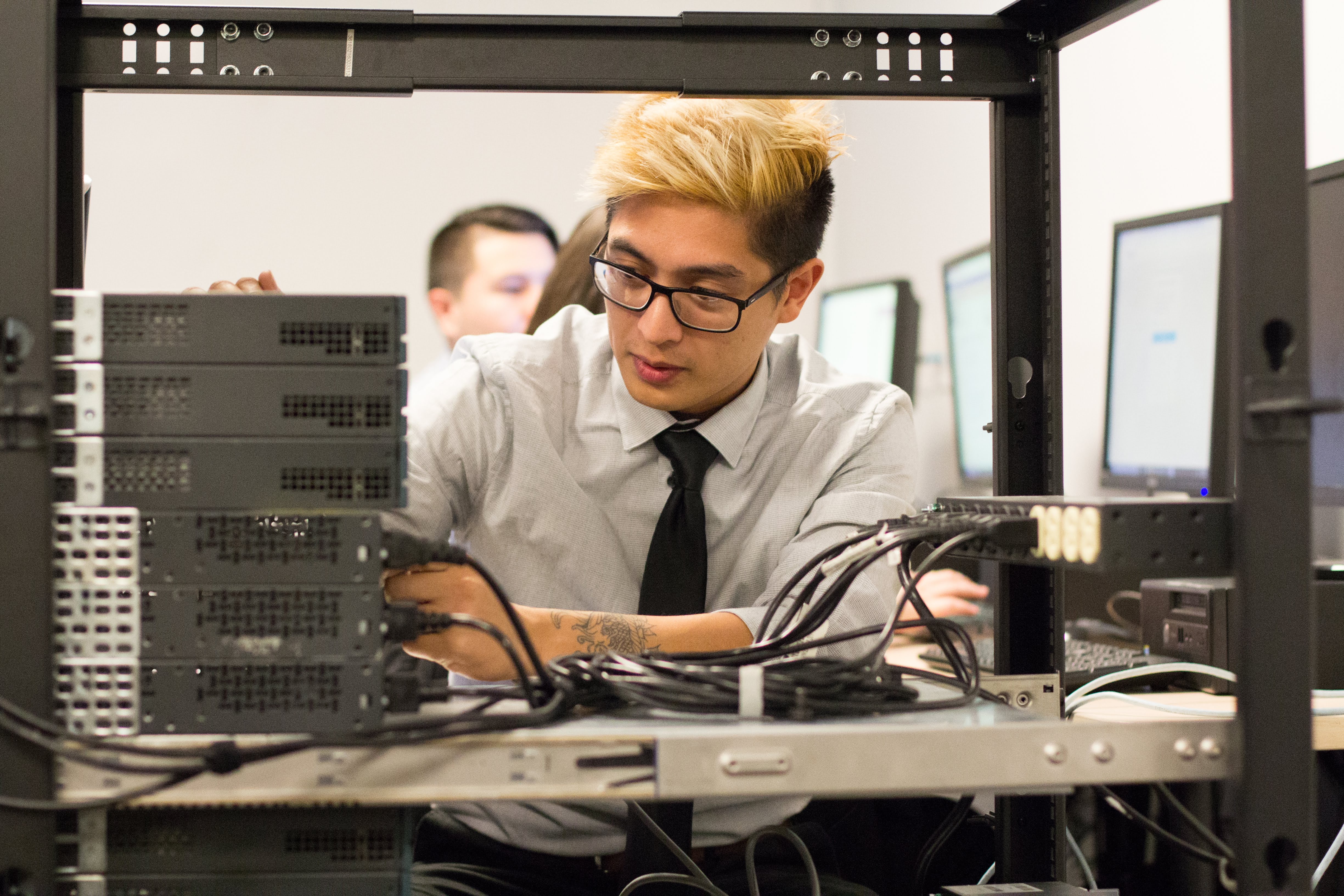
Modern career training programs increasingly recognize a fundamental truth: the most effective learning is doing. While lectures, readings, and guided instruction lay the groundwork, it’s the hands-on, project-based experience that transforms information into real-world skill. For students preparing to enter the workforce, this distinction is the difference between being “knowledgeable” and being “ready.”
Year Up United’s approach is proof that practical, hands-on learning is the foundation of true workplace readiness. By blending technical instruction with real-world project work, students develop skills like confidence, adaptability, and problem-solving that go far beyond the classroom.
The Limits of Passive Learning
Traditional teaching methods are important for establishing baseline knowledge, yet they often stop short of preparing you for a real workplace. Knowing what a process is does not guarantee the ability to work under the pressures and expectations of a professional setting. Employers increasingly seek candidates who know how to perform, not just describe a task.
A recent Indeed Hiring Lab report illustrates the ongoing shift: fewer than one in five job postings in early 2024 required a four-year degree, and more than half did not include educational requirements at all. The reason is clear: businesses are prioritizing proven skill over theoretical mastery.
The answer to this shift is simple: hands-on project work experience. It allows students to put what they have learned into practice through unpredictable situations, workplace collaboration, and a real portfolio of results. This experience goes far beyond grades or test scores.
From Knowledge to Competence: How Projects Cement Learning
Year Up United’s Career Pathways model bridges theory and execution. Every participant begins with immersive technical and professional skill-building, followed by direct experience through applied projects and access to internships in fields like project management, data analytics, financial operations, customer success, and IT support.
These projects mirror the structure and rhythm of real workplaces:
- Deadlines require accountability. Students must plan, delegate, and deliver on time.
- Collaboration teaches communication. Group assignments and cross-functional teamwork reflect modern business environments.
- Problem-solving fosters independence. Encountering obstacles demands creativity and resilience—building skills that go beyond the textbook.
Combining instruction and application ensures graduates can transition smoothly into full-time employment. In fact, 72% of Year Up United graduates are employed or enrolled in postsecondary education within four months of program completion, earning an average annual salary of $53,000.
Building Durable Skills Through Experience
Durable skills like critical thinking, communication, and adaptability are forged through repetition, feedback, and reflection. These skills, sometimes called “transferable” or “soft” skills, prove essential for long-term success across industries.
In Year Up United’s Workplace and Career Readiness Training, students practice:
- Effective communication: through business writing, public speaking, and professional correspondence.
- Career management: by setting measurable goals, building networks, and navigating feedback cycles.
- Technology fluency: by mastering collaboration tools, AI applications, and digital productivity systems.
When these lessons are reinforced through hands-on projects such as client simulations, cross-departmental challenges, or live internship deliverables, the learning transforms into real skills.
Confidence Comes from Doing
The core of project-based learning is confidence in the workplace, a quality that can’t be taught in a classroom. When students experience the rhythm of completing a real assignment, handling a setback, or presenting a finished product to peers or mentors, they develop the self-assurance needed to navigate corporate settings.
For many Year Up United participants, this confidence becomes a defining advantage. Project-based programs don’t just teach skills; they demonstrate to students that they belong in the spaces they’re preparing to enter.
That level of confidence is a direct result of the readiness, maturity, and adaptability that only real experience produces.
Why Employers Value Applied Experience
From an employer’s perspective, graduates of hands-on training programs like Year Up United offer clear advantages. They arrive with a practiced understanding of project dynamics like how to manage timelines, interpret feedback, and collaborate across teams. These are the skills that improve retention, strengthen culture, and reduce onboarding time.
A 2024 McKinsey report found that nearly 60% of employers now prioritize internal mobility and reskilling as part of their workforce strategy. This shift confirms that the capacity to learn through doing is not only vital for early-career professionals but also for long-term workforce resilience.
By engaging in practical learning environments, Year Up United students effectively “train the way they’ll work,” producing graduates who are ready to make an impact from day one.
A Model for Future-Ready Education
As industries evolve under automation and AI, learning models are evolving too. Project-based training fosters agility, enabling students to experiment, adapt, and innovate in response to emerging challenges. Year Up United integrates AI literacy into its programs, teaching learners to use generative AI responsibly and strategically in workplace scenarios.
This commitment to applied learning keeps graduates ahead of the curve and prepared not only to enter today’s workforce but to help shape tomorrows.
The Bottom Line
Hands-on project work transforms education into professional preparation. It bridges the gap between potential and performance, ensuring that students graduate not just informed, but capable of so much more.
Year Up United’s career training programs prove that when learning becomes active, confidence becomes instinctive, and readiness becomes reality. Through practice, mentorship, and tangible achievement, students don’t just learn about the workplace; they learn to thrive within it. If you’re ready to build real-world experience through a career training program that leads to lasting success, apply to Career Pathways today.